Source Wooden Book Stand Holder for Reading, Study, and Display
Explore 30 listings for the Wooden Book Stand Holder, featuring options in wood, bamboo, and MDF with customization and laser logo capabilities. Buyers can compare specifications like size, thickness, and packing details to find the right product for their needs.
Key considerations
Products List


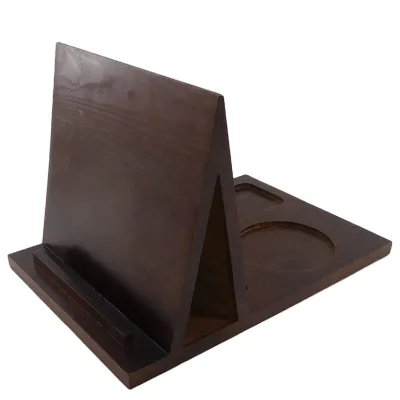
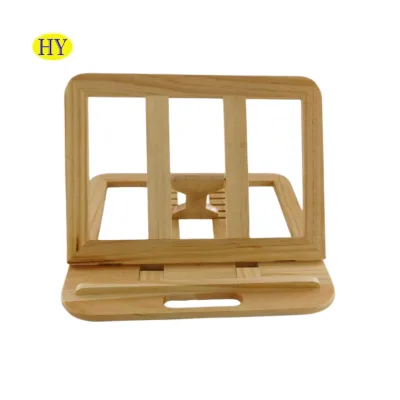

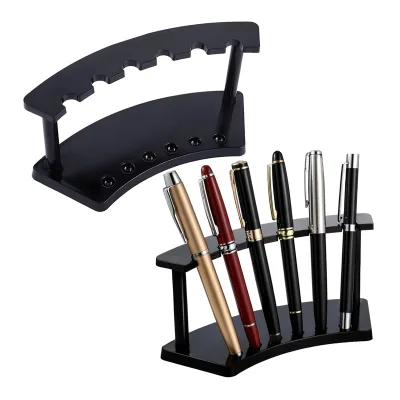
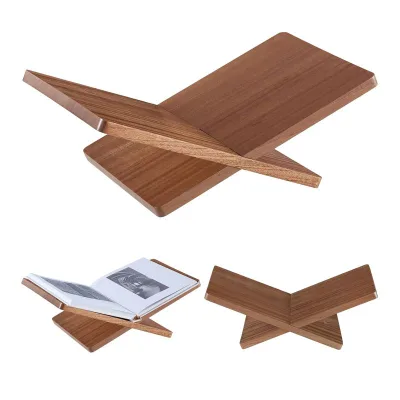
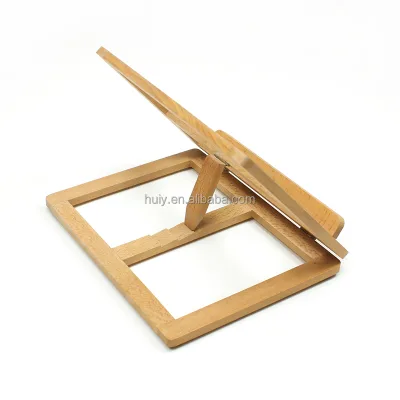
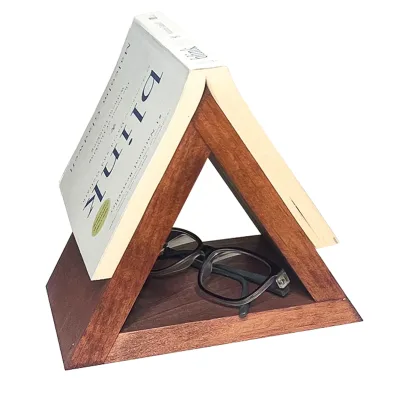



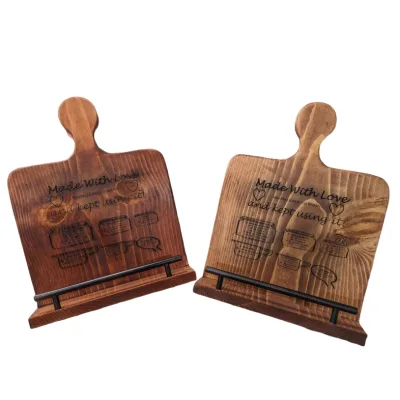
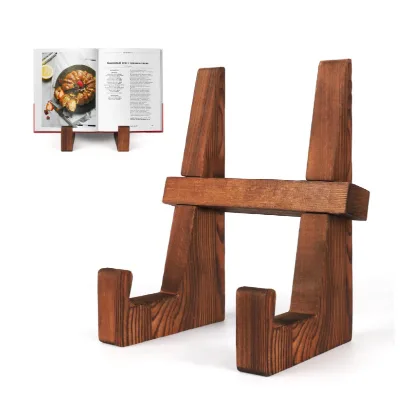
Wooden Bookends Adjustable Table Top Reading Bookshelf Book Stand Holder
$11.03 - $13.09
MOQ: 50 Pieces
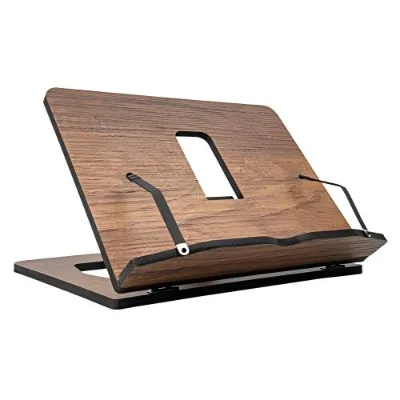

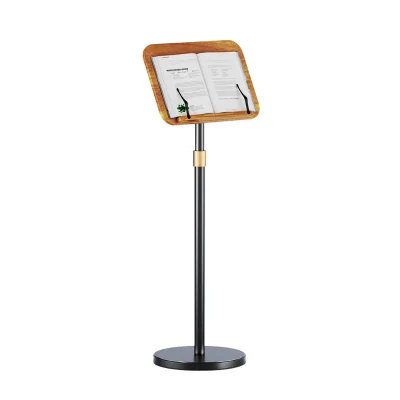
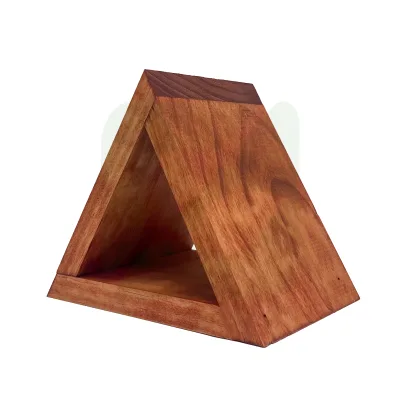


Booklet & Brochure Holder Exhibition for Book, Magazine Wood Display Stand
$45.00 - $50.00
MOQ: 200 Pieces






Comprehensive Sourcing Guide
Wooden Book Stand Holder Sourcing Guide
Sourcing wooden book stands requires a careful balance between aesthetic appeal, functional stability, and material integrity. These products serve as essential tools for readers, students, and professionals who need to maintain proper posture while reading or referencing materials. The market offers a diverse range of options, from simple triangular rests to more complex folding racks, each designed to accommodate different page sizes and reading preferences. Buyers must navigate this variety by focusing on specific product attributes that align with their target audience’s needs, ensuring that the selected stands offer both durability and ergonomic benefits.
The procurement process for these items involves verifying key specifications such as material composition, dimensions, and customization options. Suppliers often provide products made from wood, bamboo, or MDF, each offering distinct advantages in terms of weight, finish, and environmental impact. Additionally, features like laser logo capabilities, eco-friendly certifications, and specific packaging requirements play a crucial role in the final selection. By understanding these variables, buyers can make informed decisions that enhance product value and meet the specific demands of their retail or corporate clients.
Product Scope and Observed Listing Signals
The current market landscape for wooden book stands reveals a wide array of product models and configurations, indicating a highly segmented supply chain. Listings show variations in model numbers such as 2023ZT002, 2023ZT004, and 2023ZT005, suggesting that suppliers offer multiple SKUs to cater to different design preferences and functional requirements. These models often differ in dimensions, with standard sizes ranging from compact 22.3x12.5x16.5 cm units to larger 24x30 cm formats. Buyers should recognize that these variations are not merely cosmetic but reflect distinct use cases, from portable reading aids to stationary desk organizers.
Material selection is a critical differentiator in this category, with observed listings highlighting wood, bamboo, and MDF as primary construction materials. Bamboo stands are frequently marketed with eco-friendly attributes, appealing to environmentally conscious consumers, while MDF options may offer a smoother finish for laser engraving. The presence of customization options, including logo printing and tailored designs, indicates that many suppliers are equipped to handle branded orders. Buyers should pay close attention to these material distinctions, as they directly impact the product’s weight, durability, and perceived quality, which are key factors in consumer satisfaction.
Technical Specifications to Verify
Dimensional accuracy and structural stability are paramount when evaluating wooden book stands, as these factors determine the product’s usability and safety. Specifications such as a thickness of 1 cm and single-tier designs are common, but buyers must verify that these measurements are consistent across batches. Tolerances for dimensions and weight, often cited as less than ±5mm and ±5% respectively, provide a baseline for quality control. However, buyers should request detailed technical drawings or physical samples to ensure that the stands can securely hold books of various weights and sizes without tipping over or causing strain to the user’s neck or back.
Packaging and assembly requirements also significantly influence the logistics and final presentation of the product. Observed packing methods include individual bubble bags followed by boxes, or simple brown box packaging, which can affect the product’s protection during transit. The folded versus unfolded state of the product is another critical specification; some stands are designed to be portable and collapsible, while others are fixed and rigid. Buyers must clarify these details with suppliers to ensure that the packaging aligns with their shipping constraints and that the product arrives in the intended configuration, minimizing damage and customer complaints.
Compliance and Safety Documentation
Environmental and safety compliance is increasingly important in the wooden product sector, with buyers needing to ensure that materials meet relevant regulatory standards. Products labeled as eco-friendly or made from sustainable sources like bamboo should be accompanied by appropriate certifications, such as FSC for wood or specific bamboo sustainability claims. Buyers must verify that these certifications are valid and recognized in their target markets, as non-compliance can lead to customs delays or reputational damage. Additionally, the use of non-toxic finishes and adhesives is crucial, especially for products intended for educational or home use, to ensure they are safe for prolonged contact.
Labeling and branding requirements also fall under the compliance umbrella, particularly when custom logos are involved. Suppliers offering laser logo capabilities must ensure that the engraving process does not compromise the structural integrity of the wood or release harmful fumes. Buyers should confirm that the branding methods used are durable and resistant to wear, ensuring that the logo remains visible and intact throughout the product’s lifecycle. Furthermore, clear labeling of material composition and care instructions is essential for consumer transparency and adherence to consumer protection laws in various jurisdictions.
Cost Drivers and Commercial Terms
The cost of wooden book stands is influenced by several factors, including material quality, customization complexity, and order volume. Observed price ranges and MOQs indicate that smaller orders may incur higher per-unit costs, while larger volumes can leverage economies of scale. Buyers should analyze the cost breakdown to understand how much is attributed to raw materials versus labor and customization. For instance, laser engraving and custom packaging add to the production cost but can significantly enhance the product’s marketability and perceived value.
Payment terms and shipping logistics are also key components of the commercial agreement. Standard terms like T/T (Telegraphic Transfer) are common, but buyers should negotiate terms that align with their cash flow needs and risk tolerance. Additionally, the origin of the product, often China, and the specific manufacturing location, such as Shandong, can impact shipping costs and lead times. Buyers must factor in these logistical elements when calculating the total landed cost, ensuring that the final price remains competitive in their target market while maintaining healthy profit margins.
Supplier Qualification and Quality Control
Selecting a reliable supplier for wooden book stands requires a thorough assessment of their manufacturing capabilities and quality control processes. Buyers should verify the supplier’s experience in producing wooden products, their capacity for customization, and their adherence to production standards. Requesting references or case studies from previous clients can provide insights into the supplier’s reliability and consistency. Additionally, suppliers should have robust QC procedures in place, including inspections for material defects, dimensional accuracy, and finish quality, to ensure that every unit meets the agreed-upon specifications.
Communication and responsiveness are also critical indicators of a supplier’s professionalism. Buyers should evaluate how quickly and clearly the supplier responds to inquiries, particularly regarding technical specifications and customization requests. A supplier that provides detailed product information, transparent pricing, and proactive updates on production status is more likely to deliver a smooth procurement experience. Establishing a clear line of communication and setting expectations for quality and delivery early in the relationship can help prevent misunderstandings and ensure a successful partnership.
Long-Term Procurement Checks
Building a sustainable supply chain for wooden book stands involves ongoing monitoring and relationship management. Buyers should regularly review supplier performance metrics, such as on-time delivery rates, defect rates, and responsiveness to issues. Establishing a feedback loop with end-users can provide valuable insights into product performance and areas for improvement. This continuous evaluation helps identify potential risks and opportunities for optimization, ensuring that the supply chain remains resilient and adaptable to changing market conditions.
Future-proofing the procurement strategy also involves staying informed about industry trends and regulatory changes. As consumer preferences shift towards more sustainable and innovative products, buyers must be prepared to adapt their sourcing strategies accordingly. This may include exploring new materials, designs, or suppliers that align with emerging trends. By maintaining a proactive approach to supplier management and market analysis, buyers can ensure that their wooden book stand offerings remain competitive and relevant in the long term.
FAQs
Can I get a customized logo on the wooden book stand?
Yes, you can get a customized logo on the wooden book stand. The product supports laser logo customization, allowing you to add your brand identity directly onto the wood surface for a professional finish.
What is the minimum order quantity for this product?
The minimum order quantity is 500 pieces for this specific model. Some variations may require a higher MOQ up to 1000 pieces, so please verify the specific requirements for your chosen model number before placing an order.
Which materials are used to make these book holders?
These book holders are made from wood, bamboo, and MDF materials. The specific material depends on the model selected, with options available in natural wood colors to suit different aesthetic preferences and durability needs.
How are the products packed for shipping?
Products are packed individually in bubble bags and then placed into boxes. Some models use brown boxes for packaging, ensuring the items are protected during transit while maintaining a clean presentation for the end user.
What are the standard dimensions for the book stand?
Standard dimensions vary by model, with sizes like 22.3 by 12.5 by 16.5 cm or 24 by 30 cm. The thickness is typically 1 cm, and dimensional tolerance is kept within plus or minus 5 mm for precision.
Can the book stand be folded or is it fixed?
The book stand is available in both fixed and folding configurations. Some models are classified as folding racks, while others are designed as standing types that remain unfolded during use to provide stable support for reading.
Where is the product manufactured and what is the origin?
The product originates from China, specifically from the Shandong region. This location is a known manufacturing hub for wooden products, ensuring efficient production and logistics for international buyers seeking these specific book holders.